Is Personal Injury Protection Worth It
For most new drivers, personal injury protection is worth having because it pays your medical bills no matter who caused the crash.
What decides if it's worth it for you
- Whether your state requires it Some states make this coverage mandatory and set the rules for it. Check your state's requirements first, since that answers the question before cost even matters.
- Your health insurance situation If you don't have health insurance yet, this coverage fills a real gap after an accident. If you're already well covered, the overlap matters less.
- Lost income protection This coverage can pay you back for missed work after a crash, which health insurance never does. That matters more if a missed paycheck would actually hurt you.
- Who's at fault doesn't matter This coverage pays out regardless of fault, so you're not waiting on an investigation to get treated. That speed matters most in the weeks right after a crash.
- Cost versus your budget It adds to your premium, so weigh that against what you'd pay out of pocket without it. Ask for the price with and without it before deciding.
Does personal injury protection replace health insurance?
No, it doesn't replace health insurance, and you shouldn't think of it that way. Personal injury protection is built for the immediate aftermath of a car accident. It covers medical costs and sometimes lost wages right after a crash, often faster than health insurance would, since it doesn't wait on a fault determination.
Health insurance covers you broadly, for any illness or injury, for as long as you're insured. If you already have health insurance, personal injury protection still helps by covering costs health insurance might not, like deductibles, copays, or lost income. If you don't have health insurance, it becomes more important, since it may be the only coverage paying your medical bills after a crash. Think of it as a first layer that kicks in fast, not a substitute for ongoing health coverage.

Choosing to add personal injury protection
If you do
Your medical bills and lost wages after a crash get paid quickly, without waiting to find out who caused the accident. Your premium goes up some. If you're ever in a crash, especially one that isn't your fault, you'll be glad the payment didn't depend on proving that.
If you don't
Your premium stays lower now. But if you're in a crash, you're relying on health insurance, savings, or the other driver's insurance to cover your bills, and that other driver's insurance only pays if they're found at fault, which can take time.
Compare quotes now that you know whether personal injury protection fits your situation and your budget.
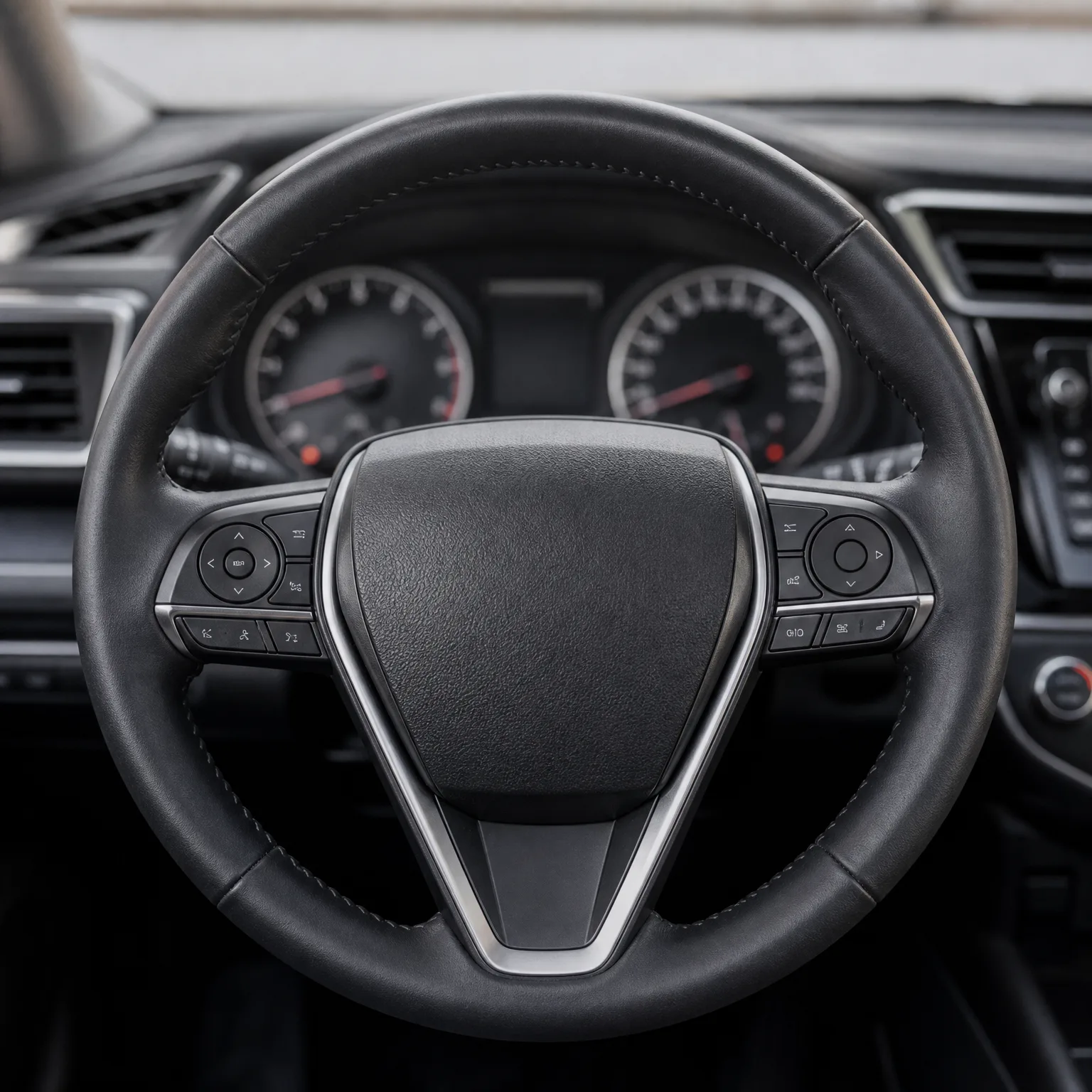
A new driver weighing the extra cost
Say you just bought your first car and you're building your policy from scratch. You don't have health insurance yet since you're between jobs, and the base liability coverage your state requires feels like enough to check the box. But when you look closer, you realize liability only pays for the other driver's damage if you cause a crash. It does nothing for your own injuries.
You add personal injury protection and compare the price against going without it. The difference turns out to be small relative to what even a minor injury claim could cost you out of pocket. You decide it's worth it, reasoning that without health insurance, you'd otherwise have no coverage at all for your own medical bills after a crash, no matter who caused it. A few months later a distracted driver rear-ends you at a stoplight. Because fault still needs to be sorted out with their insurer, your personal injury protection pays your urgent care visit right away, instead of you waiting weeks for a claims decision.

The real question isn't whether you'll cause a crash, it's who pays your bills while fault gets sorted out.
What does personal injury protection actually cover?
It typically covers your medical expenses and sometimes lost income after a car accident, regardless of who caused it. What's included varies by state and by insurer, so check your policy details. Some versions also cover costs like childcare or household help if your injuries keep you from managing daily tasks. Ask specifically what's included before assuming it matches what another state or another person's policy covers.
Is personal injury protection the same as medical payments coverage?
No, they're related but not identical. Both pay medical costs after a crash regardless of fault, but personal injury protection is usually broader, sometimes including lost wages, while medical payments coverage is typically just for medical bills. Availability of each depends on your state and insurer. Check which one your state requires or offers, since you may be choosing between them rather than adding both.
Can I drop personal injury protection later if I don't need it?
Often yes, but it depends on your state and whether the coverage is mandatory there. In states where it's required, you can't remove it entirely, though you may adjust how much you carry. In states where it's optional, you can typically drop or add it when your situation changes. Check with your insurer before assuming you can switch it off anytime.