Is Insurance Invalid if I Do Not Update My Address
Your policy usually stays active, but an old address can get a claim denied or cause your coverage to lapse without warning.
When an old address catches up with you
You moved out of your parents' place and into your own apartment across town, but you never got around to calling your insurer. Six weeks later someone backs into your car in a parking lot. You file a claim like normal, but the insurer sends paperwork to your old address asking for more information. You never see it because you don't live there anymore, and the deadline passes without a response.
The claim gets delayed, not because you did anything wrong with the accident, but because you missed a letter you never knew was coming. You eventually catch it when you call to check on the status, and you have to explain the mix up and resubmit everything. It gets sorted out, but it costs you weeks of back and forth that an updated address would have skipped entirely. The coverage itself was never the problem. The missing information was.
Can my insurer actually cancel me for an old address?
Yes, but it's rarely the address alone that causes a cancellation. What usually happens is the address causes a chain reaction. Mail about a payment, a renewal, or a request for documents goes to a place you don't live, you don't respond, and the insurer treats your silence as a reason to cancel or not renew.
From the insurer's side, they followed their process. From your side, it looks like you got canceled out of nowhere. The fix is simple and doesn't cost anything. Update your address the same week you move, log into your account to confirm it went through, and check that any paperless settings are actually sending mail to an address or inbox you check.

Now that your address is updated, compare quotes so your new policy starts off accurate from day one.
What to do about your address before it becomes a problem
- Update it right away Waiting even a few weeks is enough for a bill or renewal notice to go to the wrong place. Set a reminder the day you get your new keys so it's one less thing to forget.
- Check the process Some insurers let you update instantly online, others need a call or a form. Log into your account or call them directly and ask what their process requires.
- Confirm it went through A form submitted isn't the same as a record updated. Look at your account a few days later or ask for written confirmation that the new address is on file.
- Flag a move to a new state A new state can change your rate, your required coverage, and sometimes your insurer's ability to cover you at all. Call before you assume your current policy just carries over.
- Don't rely on mail forwarding Forwarding can lapse or miss time sensitive insurance mail. Treat updating your address directly with the insurer as the real fix, not the forwarding service.
Why your address matters more than it seems
Your address isn't just contact information to your insurer. It's part of how they calculate your rate and part of how they reach you with anything time sensitive. Where you live affects local accident rates, theft rates, and repair costs, so an address that no longer matches where you actually keep the car can mean you're paying a rate based on the wrong information.
Most of the real risk isn't that your policy silently becomes void the moment you move. Insurers generally don't work that way. The risk is procedural. Claims adjusters, renewal notices, and payment reminders all go to the address on file, and if that address is wrong, you miss things you needed to see. A missed renewal notice can lapse a policy. A missed request for claim documents can delay or jeopardize a payout.
There are cases where the address matters more directly. If you moved to a new state, your coverage might need to change because requirements differ by state, and your insurer may need to reissue the policy under that state's rules. If you moved somewhere your current insurer doesn't operate, you may need a new policy entirely. These are state and insurer specific situations, so check with your insurer directly when you move across state lines rather than assuming your coverage just continues as is.
The underlying idea is that insurance runs on accurate information. Your address is one of the pieces that has to stay current for the system to work the way it's supposed to, not because the insurer is looking for a reason to deny you, but because the whole arrangement depends on them being able to reach you and price your risk correctly.
Does my insurance rate change if I move to a new address?
Yes, it often does, because rates are based partly on where the car is normally kept. A new neighborhood can have different accident rates, theft rates, or repair costs than your old one. Check with your insurer when you move since the change could lower your rate or raise it, and you want to know which before you're surprised by a renewal bill.
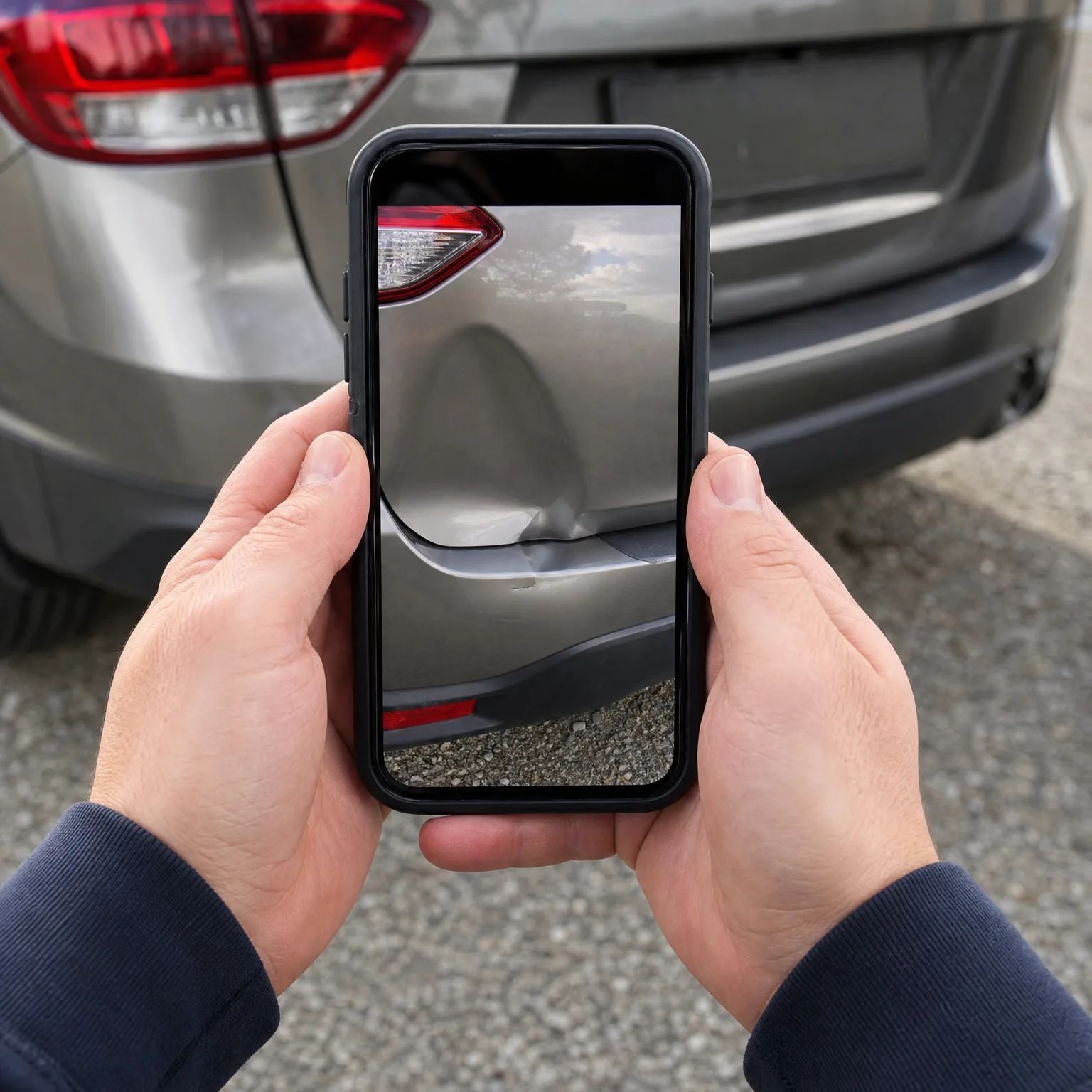
What happens if I get in an accident before I update my address?
Your claim itself usually isn't denied just because your address is outdated, but correspondence about it might go to the wrong place. Check that you give the adjuster your current contact information directly when you file, separate from what's on file, so nothing about your claim gets delayed or missed while the official record catches up.
Do I need a new policy if I move to a different state?
Possibly, since coverage requirements and available insurers vary by state. Some insurers operate nationally and can simply update your existing policy, while others don't offer coverage in every state and would require a new policy. Call your insurer as soon as you know you're moving so there's no gap between your old coverage and whatever the new state requires.