
Is Glass Coverage Worth It
Glass coverage is worth it if you drive a lot of highway miles or can't afford a surprise windshield bill, otherwise it's optional.
It comes down to how a cracked windshield gets paid for
Your windshield is covered already, under comprehensive, if you have that coverage. The question isn't whether glass damage is covered at all. It's whether you want to lower or remove the deductible specifically for glass, which is what separate glass coverage does.
Without it, a cracked windshield gets paid out through your normal comprehensive deductible. If that deductible is high, you might end up paying most or all of the repair yourself anyway, which makes the coverage feel pointless until the moment you actually need it. Glass coverage exists to close that gap, often bringing the deductible down to nothing for glass specifically.
Where this gets uneven is state rules and insurer rules. Some states require insurers to waive the deductible for windshield repairs automatically, no separate coverage needed. Other states leave it entirely up to the insurer and the policy you choose. Check your state's rule and your insurer's specific language before assuming you need to add anything.
The other variable is you. If you drive mostly local, low-speed streets, your odds of a rock chip or crack are lower. If you're on highways a lot, especially behind trucks, your odds go up. Glass coverage is cheap relative to a full repair, so for a lot of drivers it's a small bet against a predictable, annoying expense rather than a rare catastrophic one.
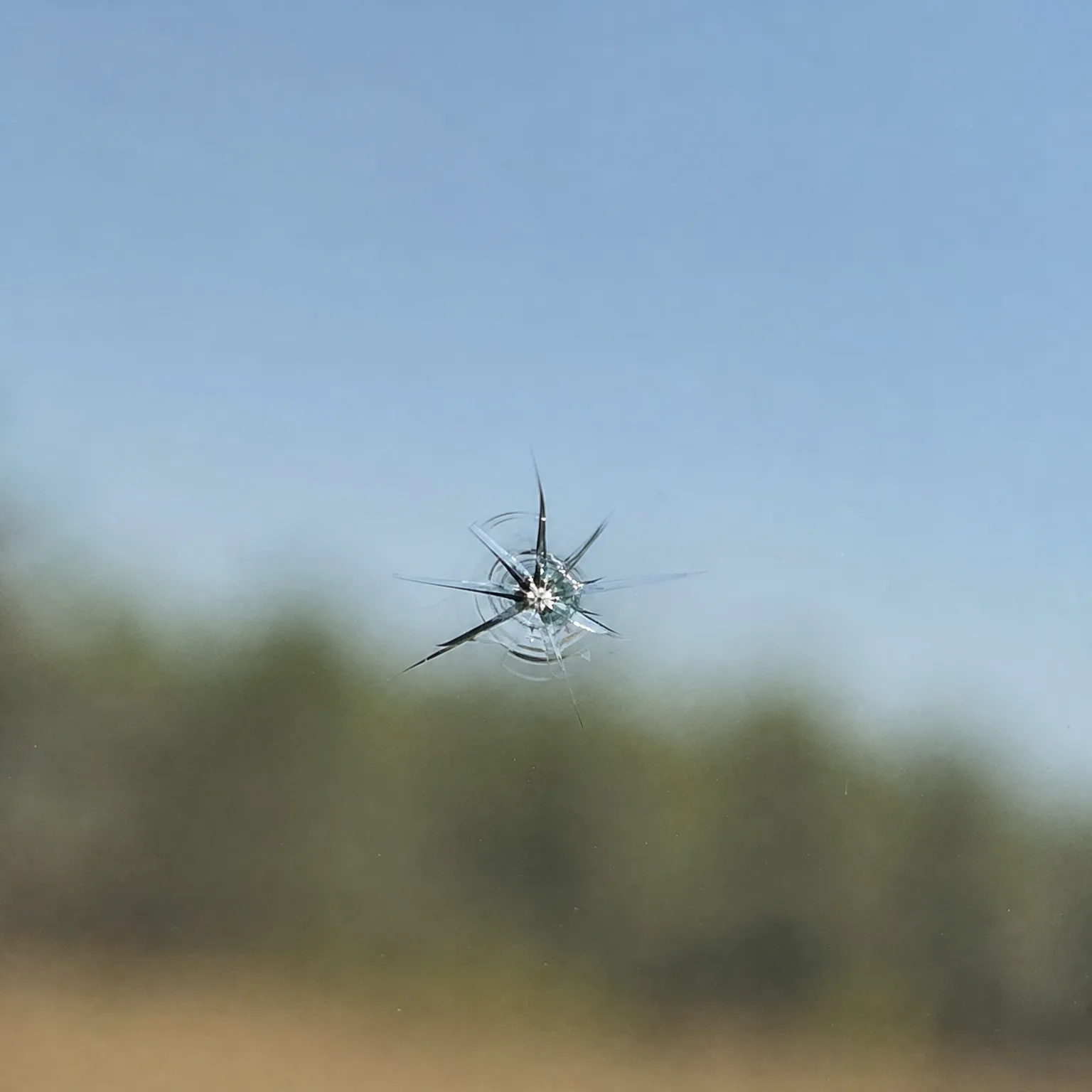
What actually decides if it's worth adding
- Your state's glass rule Some states make insurers waive the deductible for windshield repair by law. Check your state's rule before paying extra for something you might already get free.
- Your comprehensive deductible A high deductible means a cracked windshield mostly comes out of your pocket anyway. Glass coverage matters most when your deductible is high enough to make repairs expensive.
- How much you drive highways Highway miles mean more rock chips and cracks from debris. If most of your driving is local streets, your real risk is lower than it feels.
- Cost of the add-on itself Glass coverage is usually a small amount added to your premium. Compare that small ongoing cost against what you'd pay once for a windshield repair without it.
- Your car's windshield type Newer cars with sensors built into the windshield cost more to replace. If your car has driver assist features, a cracked windshield is pricier to fix, which tips the math toward adding coverage.

Now that you know what decides it, compare quotes with and without glass coverage to see the real price difference.

Adding glass coverage to your policy
If you do
You pay a small amount more each policy term. In exchange, a cracked windshield gets repaired or replaced with little or no deductible, so a single rock chip doesn't turn into an out-of-pocket bill. It's a small steady cost trading away a specific, common annoyance.
If you don't
You save that small amount every term. If your windshield cracks, you pay your regular comprehensive deductible instead, which could mean paying the full repair cost yourself if that deductible is high. You're still covered, just not with the gap closed.
A driver who added it after one long commute
A driver started a new job that meant a long highway commute each way, most of it behind trucks and trailers. Before long, a rock kicked up by a truck cracked the windshield. They had comprehensive coverage but a deductible high enough that repairing it out of pocket would have cost about the same as paying it themselves, making the coverage feel barely useful.
They called their insurer, checked their state's rule, and found their state didn't require a deductible waiver on glass automatically. They added the glass coverage for a small amount more per term. Later on, another crack appeared from a different highway trip, and this time the repair cost them nothing beyond the add-on they were already paying. Looking back, the coverage paid for itself after that second incident, and they kept it going forward since their commute hadn't changed.
Does glass coverage cover a cracked windshield from a pothole?
Usually not. Glass coverage under comprehensive typically applies to things like rocks, debris, vandalism, or weather, not damage from road impacts like potholes, which often falls under collision instead. Check your policy's specific wording, since insurers define this differently. If potholes are a real risk where you drive, ask specifically how that kind of damage is classified before assuming glass coverage applies.
Will filing a glass claim raise my rates?
It depends on your insurer and your state, so check before you assume either way. Some insurers treat glass claims as minor and don't factor them into renewal pricing, especially if they're small and infrequent. Others count every claim, including glass, toward your claims history. Ask your insurer directly how glass claims are treated, since this is one of the more insurer-specific details that doesn't have a single universal answer.
Can I add glass coverage after I already bought my policy?
Usually yes, you can typically add it anytime by contacting your insurer, not just at renewal. Some insurers let you make the change immediately, others apply it starting the next billing cycle. If you're reconsidering after reading this, call and ask specifically when the coverage would take effect, since a gap in timing could matter if damage happens right around the switch.