When Not to Lease a Car
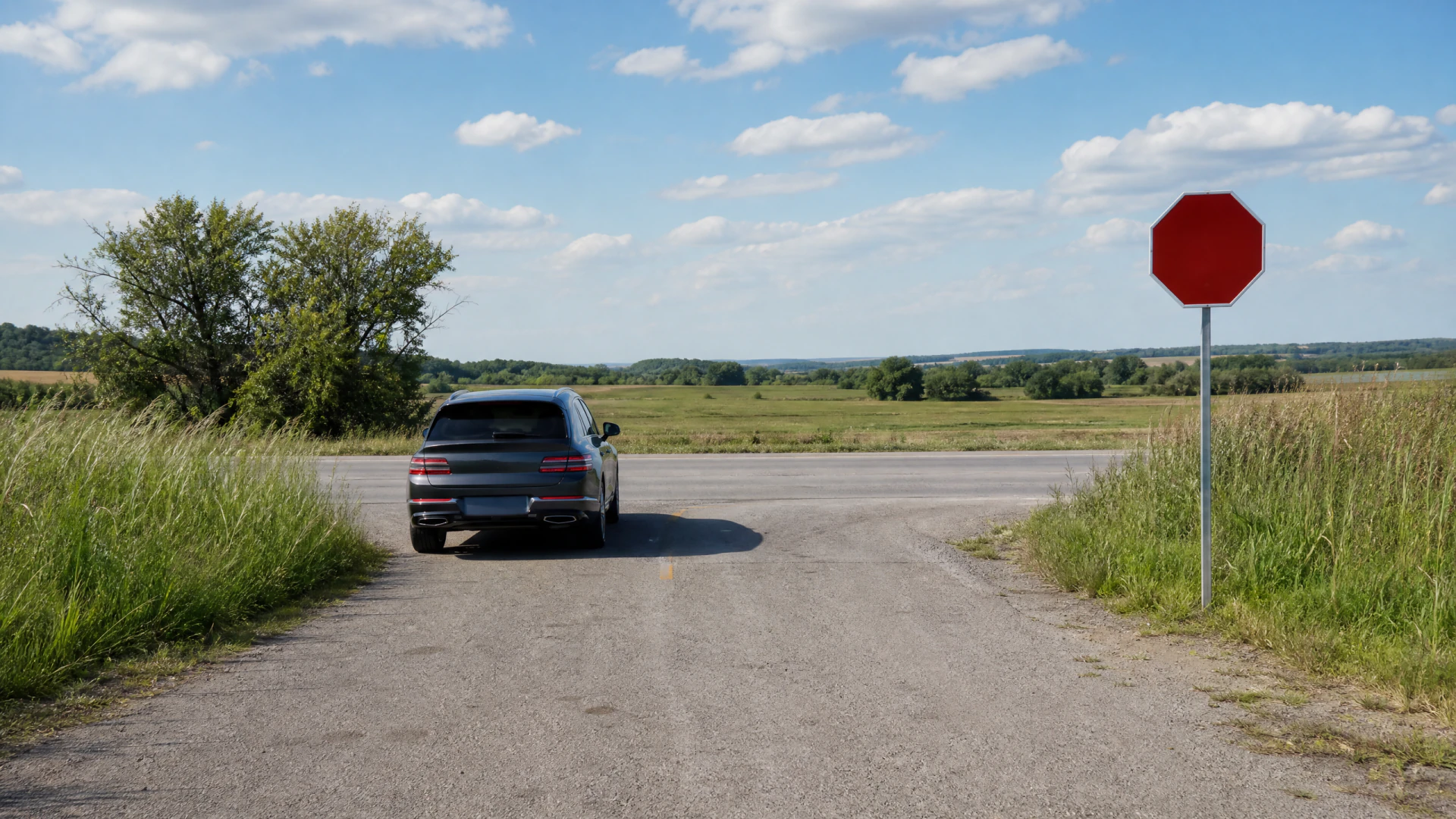
Skip leasing if you drive a lot, keep cars for years, or don't want someone else deciding what condition your car stays in.
Leasing costs you when your habits don't match its rules
A lease is built around an assumption that you'll drive a set amount each year and hand the car back in good shape at the end. If your habits don't match that assumption, you pay for the mismatch. Someone who commutes long distances, takes road trips, or just doesn't track mileage will often owe fees at the end that erase whatever the lease seemed to save monthly.
The other piece is that leasing never ends in ownership. You make payments for years and walk away with nothing to sell or trade in. If you plan to keep a car for a long time, buying means the payments eventually stop while the car keeps working for you. Leasing means you start a new payment cycle every few years, indefinitely.
Leasing also limits what you can do with the car. Modifying it, wearing it hard, or letting it pick up dings from daily life all cost money at turn-in that an owned car never charges you. If you're hard on cars, through work use, pets, or just not babying the interior, a lease turns normal wear into a bill.
There are cases where leasing still makes sense, usually for someone with steady low mileage who likes driving a newer car and wants predictable costs without ever dealing with repairs. But for a first car bought on a tight budget, the math usually favors buying something reliable and used, and keeping it long enough that the upfront cost stops mattering.
Choosing between a lease deal and a used car
Someone moving out for the first time finds a lease offer with a low monthly payment advertised at a dealership. It looks far cheaper than buying, and the car is new, which feels safer and simpler than shopping for a used one. But their new commute is long, well past what the lease's yearly mileage allowance covers, and they don't have room in their budget for a possible overage bill down the road.
They ran the numbers on what the mileage overage would likely cost by the end of the lease and compared it to a used car loan on a reliable older model. The used car payment was close to the lease payment, but with no mileage limit and no condition standards to meet at turn-in. They bought the used car. A year later, with mileage far above what the lease would have allowed, they were glad they weren't facing a bill for it.
The real cost of a lease isn't the payment, it's whether your driving fits inside someone else's limits.
Once you know whether buying or leasing fits how you drive, compare insurance quotes for the option you've chosen.

Leasing anyway, even when it doesn't quite fit
If you do
You get a newer car with a predictable payment and usually fewer repair worries while the warranty holds. But you need to track mileage carefully and keep the car in shape, since the final inspection charges for anything beyond normal wear. Budget for a possible bill at the end, not just the monthly payment.
If you don't
You take on a used car instead, with a higher chance of repairs and no new-car warranty cushioning the first few years. But there's no mileage cap, no turn-in inspection, and once it's paid off the payments stop. You own something you can sell, trade, or just keep driving for free.
Is it ever worth leasing a first car on a tight budget?
Rarely, and usually only if you have steady, predictable low mileage and strongly prefer driving something new over saving money long-term. Even then, a first-time lease means learning mileage limits, wear standards, and insurance requirements all at once, on top of everything else that's new about owning a car.
For most people in this situation, a reliable used car bought outright or financed is the steadier choice. It costs less to insure in many cases, it has no mileage cap, and once it's paid off you're done paying for it. Leasing can make sense later, once your driving patterns are established and you know exactly how many miles you put on a car each year. As a first car, though, the unknowns in a lease are harder to absorb than the unknowns in owning something outright.