
What Are Examples of Telematics
Telematics programs track things like hard braking, speed, and how late you drive, then use that to adjust your price.
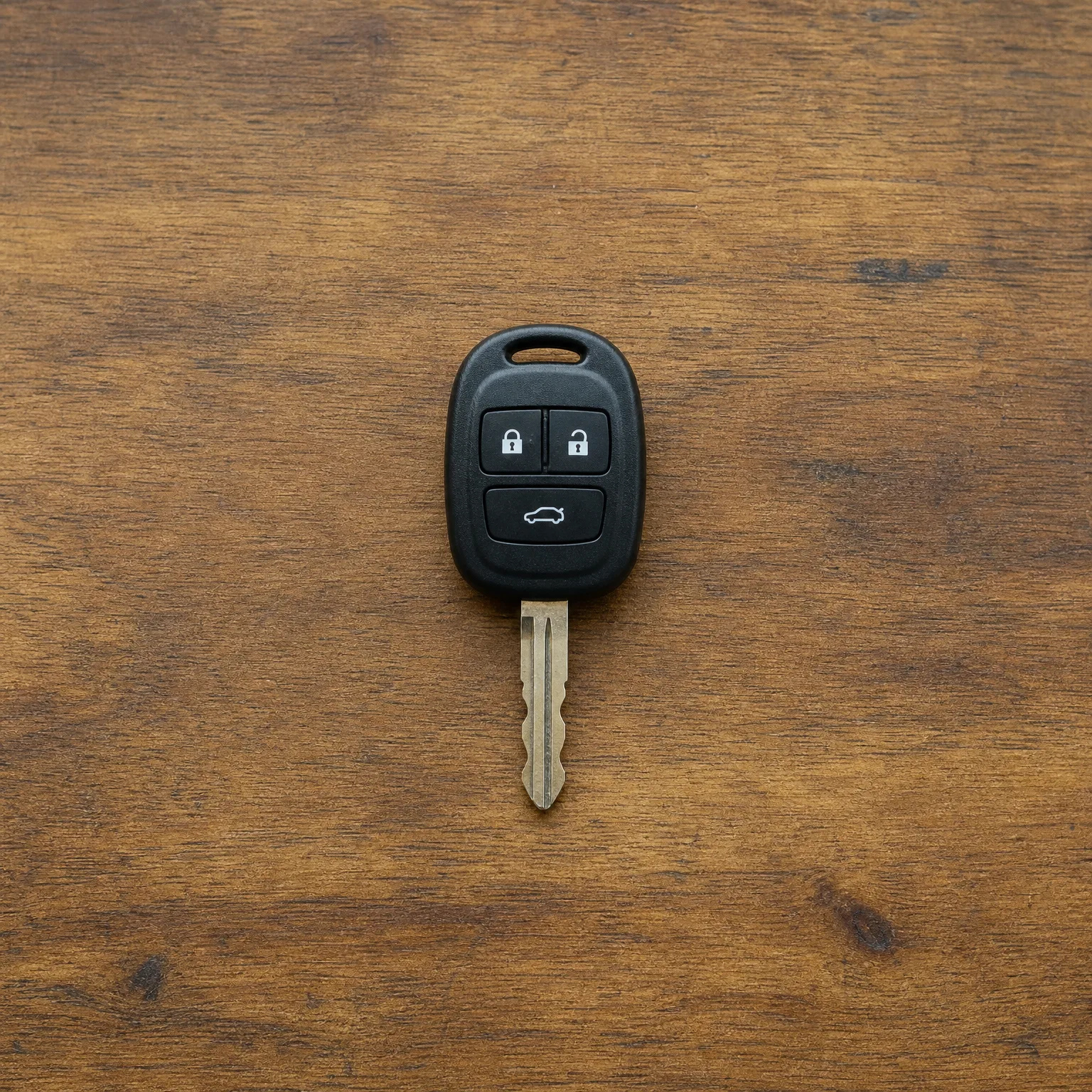
A first-time driver trying a driving-based program
You just bought your own policy and the price stung. An agent mentions a program where an app on your phone watches your driving for a stretch of weeks and your price moves based on what it sees. You're nervous about being watched, but you're also someone who drives carefully, mostly in daylight, mostly under the speed limit, so you decide to try it.
You install the app and forget about it mostly, except for the one time you brake hard for a dog that runs into the road. At the end of the test period you check your results. Your braking and speed scored well, but you lost points for a few late-night drives home from a friend's house. Your price drops some, not as much as the ad implied, but enough that you keep the program active going forward instead of canceling it.
Does telematics ever raise your price instead of lowering it?
Yes, in some programs it can. If the program is built so your score can move your price in either direction, driving that scores poorly, like frequent hard braking, speeding, or a lot of late-night trips, can push your price up instead of down.
Not every program works that way. Some are built so participating only ever helps or does nothing, and your price can't go up because of your score. Before you opt in, find out which kind you're looking at, because that single detail changes whether this is a safe thing to try or a real risk to your price.

Trying a telematics program versus skipping it
If you do
You install the app or plug in the device and drive normally for the test period. Afterward you get a score based on things like braking, speed, and time of day. If it scored well, your price usually drops, sometimes by a real amount, and many drivers keep it running afterward.
If you don't
You skip the test period entirely and your price stays based on the usual factors, like your age, location, and the car you drive. You never risk a bad score affecting your price, but you also miss out on any discount a good driving record could have earned you.
Once you know what telematics tracks and if it can raise your price, compare quotes to see what trying it could save.
The main types of telematics you'll actually run into
- Phone-based driving apps An app on your phone tracks trips using your phone's sensors and GPS. It's the easiest to try since there's no device to install, but it only works if you keep the app running.
- Plug-in devices A small device plugs into your car's data port and reports driving data directly. It tends to be more consistent than a phone app since it doesn't depend on you carrying your phone.
- Built-in car systems Some newer cars have telematics built into the vehicle itself, no app or device needed. This usually only applies if your specific car model supports it.
- Mileage-based tracking Instead of scoring how you drive, this tracks how much you drive. It's worth checking if you don't drive often, since low mileage alone can lower your price.
- Locked-in versus ongoing scoring Some programs run a single test period and lock in your discount permanently. Others keep adjusting your price continuously, so ask which kind you're being offered.

Telematics isn't one thing. Which type you pick decides if it's a safe discount or a real risk.
Can I remove telematics once I've signed up for it?
Usually yes, you can typically opt out or uninstall the app or device later. What you can't always undo is the price change it already caused, since some programs lock in the result from your test period rather than reversing it. Check whether leaving the program also reverses any discount or increase you already received, since that detail isn't the same across every insurer.
Does telematics data get used for anything besides pricing?
Sometimes, depending on the insurer and the program's terms. Some programs only use the data to set your price, while others may use it more broadly or share it in ways described in the program's terms. Read what the program says about how your data is used and stored before opting in, especially if being tracked while driving makes you uncomfortable.
Is telematics worth it if I already have a low price?
It depends on how confident you are in your driving habits. If your price is already low, the upside from a good score may be small, while a few bad trips during the test period could still bring your price up in programs that work that way. Weigh the possible gain against that risk before deciding.