
State Minimum vs Full Coverage
State minimum pays for damage you cause others, full coverage also protects your car, and the right pick depends on your car's worth.

A first car, a tight budget, and a real decision
Say you just bought a used car for an amount that took most of your savings, and you're choosing coverage for the first time. You pull up a quote for state minimum and the price looks great, then you pull up full coverage and it costs noticeably more every month. Your first instinct is to take the cheaper one and move on, because the car runs fine and you need the money for other things.
But before deciding, you think about what happens if you're the one who causes the crash. State minimum would pay for the other driver's car and injuries, but nothing for yours, which means you'd be paying out of pocket to fix or replace the car you just bought, or you'd lose it entirely. Because that car represents real money you can't easily replace, you choose full coverage instead and pick a deductible you could actually cover if something happened. The payment is higher, but you're no longer one accident away from losing the car and the money you put into it.
When should you drop full coverage and switch to state minimum?
Drop full coverage once your car is worth little enough that replacing it wouldn't hurt much, and once you could absorb that loss without financial strain. At that point you're paying extra every month to protect a car that isn't worth much, and the math stops making sense.
There's no universal line for when a car crosses that threshold, because it depends on your own finances and what the car is actually worth now, not what you paid for it. Check your car's current value against what full coverage costs you over a year, and if the coverage costs a large share of the car's worth, that's a sign it's time to reconsider. Lenders and lienholders may also require full coverage until a loan or lease is paid off, so check your agreement before dropping anything.
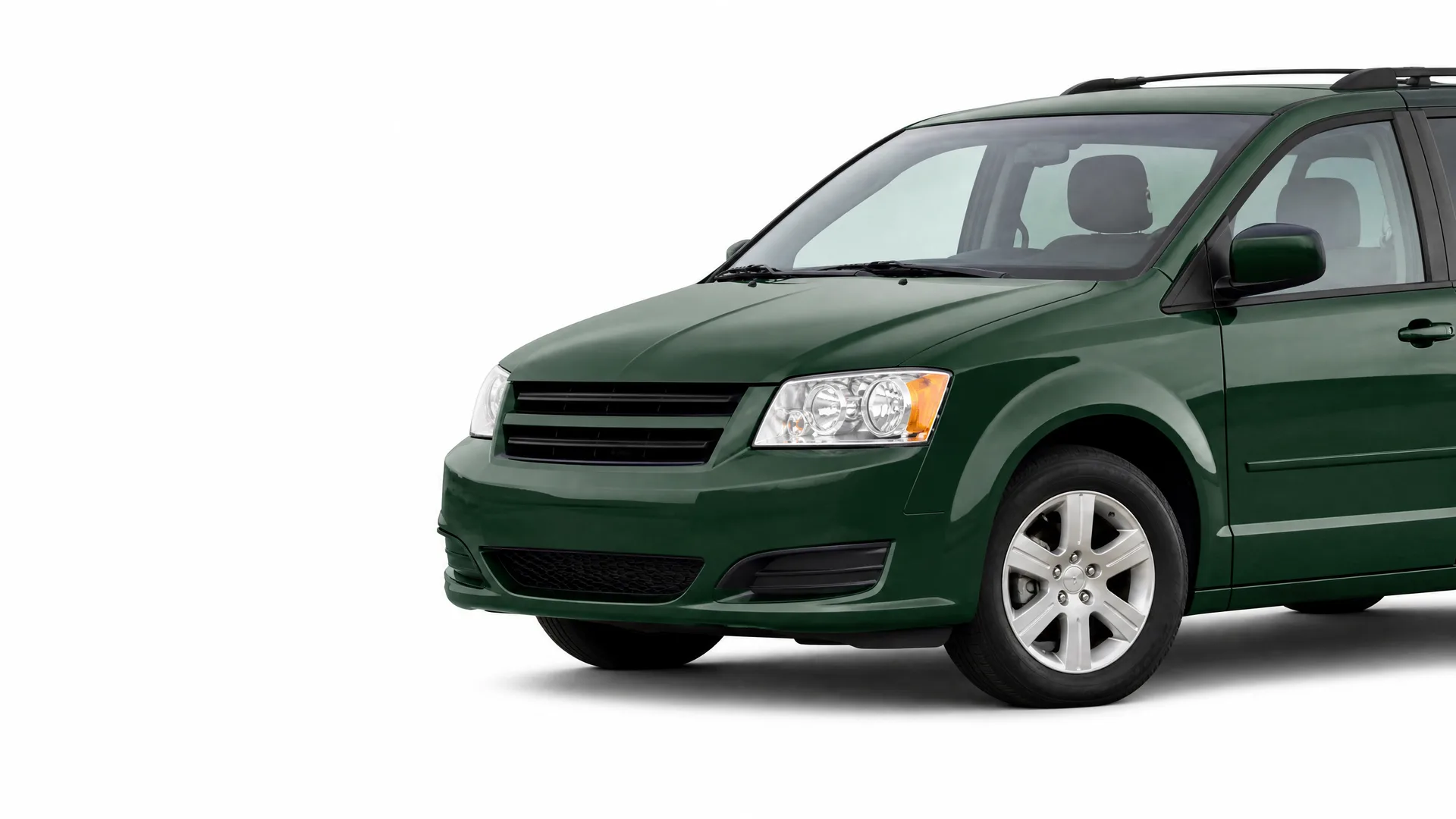
The real question is which coverage you could afford to go without if you caused a crash tomorrow.
Now that you know which coverage fits your situation, compare quotes for that exact coverage to find the best price.
Why the price gap exists and when it flips
State minimum only pays for damage and injuries you cause to other people, because that's the coverage every state requires to let you drive legally. It exists to protect other people from the financial damage you could cause, not to protect you or your own car. That's why it's cheaper, it's doing less work.
Full coverage adds protection for your own car, covering things like collision with another vehicle and damage from events outside a crash, such as weather or theft. Insurers charge more for it because they're taking on more risk, specifically the risk of paying to repair or replace your car. The cost of that protection is tied to what your car is worth, so the same coverage costs very different amounts depending on the vehicle.
This is also why the decision isn't permanent. A new or financed car is usually worth protecting with full coverage because losing it would be expensive and sudden. As a car ages and loses value, the payout you'd receive in a claim shrinks too, while the cost of covering it doesn't shrink as fast, so at some point the coverage costs more than it's worth.
What varies by state is which coverages are required and how they're labeled, so always check your state's specific requirements rather than assuming they match what you've heard. Some states also require additional coverages beyond liability, which changes what counts as your legal minimum.

Does full coverage mean I'm covered for everything no matter what?
No, full coverage is a common name for a bundle of coverages, not a guarantee that every situation is covered. It typically combines liability with coverage for your own car, but specific exclusions still apply, like certain types of damage or using your car for work purposes. Always check your policy's actual terms rather than assuming the name covers everything, and ask directly about situations you're worried about.
Will my rate as a young driver come down if I choose state minimum?
Yes, state minimum is cheaper than full coverage for any driver, including young ones, because it covers less. But your age still affects the price of state minimum itself, since it reflects risk across all drivers in your age group. Switching coverage levels lowers your price, but it doesn't change how your age factors into the rate you're quoted.
Can I switch from state minimum to full coverage later without a penalty?
Yes, you can typically change your coverage level at any time, often without any penalty for doing so. What changes is your premium going forward, since it reflects the new coverage you've chosen. Check with whoever you buy from about how a mid-policy change affects your current term and whether it takes effect immediately or at renewal.