
Shopping and Comparing Car Insurance Quotes
Compare the same coverage across several insurers side by side, since that's the only way to find a fair price for it.

How to compare quotes without getting played
- Match the coverage first Quotes only mean something if every insurer is pricing the same coverage and deductible. Write down the exact limits you want before you request a single quote, then give those same numbers to each insurer.
- Get at least three quotes Two quotes tell you almost nothing because you can't see the range. Three or more shows you where the real price lands and which quote is out of line.
- Ask about every discount Discounts for your situation often aren't listed on the quote itself. Ask directly about good student, low mileage, bundling, and paying in full, since any one of them can move the price.
- Read the declarations page This one page lists your actual coverage, limits, and deductible in plain terms. Before you buy, read it line by line and ask about anything you don't recognize.
- Requote periodically Your first policy is a starting point, not a final answer. Prices shift as you build history, so check in again once you've had the policy a while.

A first-time buyer gets three very different numbers
A reader who just bought her first car got three quotes in one afternoon and the prices were wildly different, even though she thought she'd asked for the same thing each time. When she looked closer, one quote had a much higher deductible than the other two, and another had left off a coverage she actually needed. She went back to each insurer with the exact same list of coverages and limits written down, and asked them to quote against that list specifically.
Once everything matched, the real gap between insurers was much smaller, and she could see which one was actually cheaper rather than which one had just quoted less coverage. She picked the middle option, since it had the best combination of price and a company her insurance agent could explain clearly when she had questions. A few months later she requoted and found a slightly better price elsewhere, but stayed put because switching would have meant losing a discount she'd just earned. The lesson she took away wasn't which company to pick, it was that the comparison itself had to be apples to apples before any price meant anything.
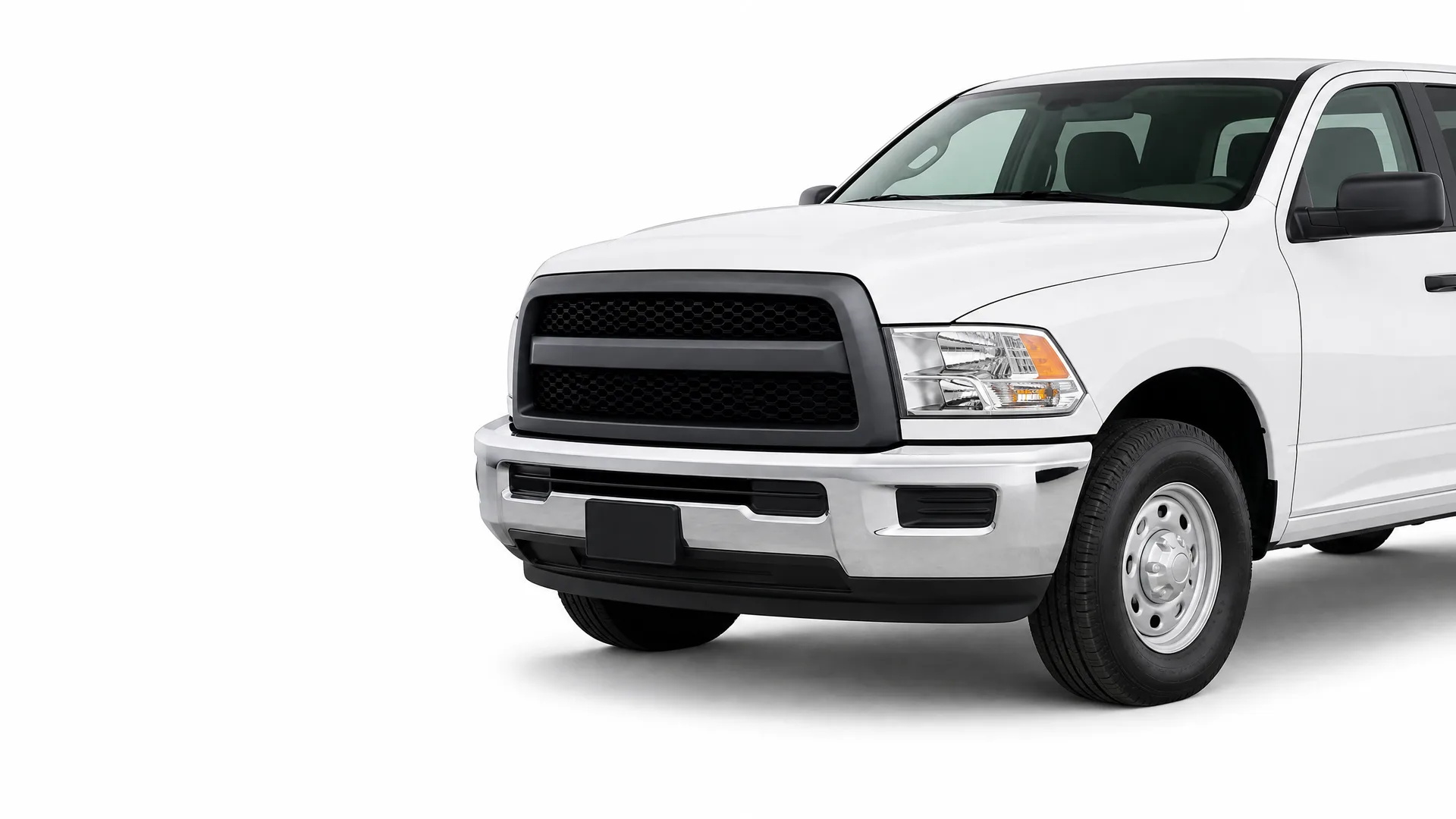
A quote is only useful once you know it's pricing the exact same coverage as every other quote you're holding.
You know what to compare now, so get quotes side by side and pick the one that matches your coverage at the best price.

Whether you compare several quotes before buying
If you do
You see the real range of prices for the same coverage and can spot which quote is overpriced or missing something. You end up with a policy you chose on purpose, at a price you know is fair, and you understand what you're covered for.
If you don't
You take the first number you're given, with no way to know if it's high or if it's missing coverage you needed. You might end up paying more than necessary, or find out later your coverage was thinner than you thought, right when you need it most.
Why quotes vary so much for the same driver
Insurers don't all use the same formula to price risk. Each one weighs your age, location, car, and driving history a little differently, so the same person can get genuinely different prices from different companies for coverage that looks identical on paper. That's not a sign one of them is wrong, it's just how competing formulas work.
This is also why shopping around matters more for new drivers than for anyone else. You don't have a claims history yet, so insurers are pricing you almost entirely on things like age, location, and the car itself. Those factors get weighted so differently company to company that your price can swing noticeably from one insurer to the next, even though nothing about you has changed.
The part that trips people up is comparing quotes that aren't actually equivalent. A lower price often means a higher deductible, a lower liability limit, or a coverage left out entirely. None of that shows up unless you line up the details yourself, which is why writing down your target coverage before you request quotes matters so much.
What varies by state is which coverages are required and what minimum limits mean, so check your state's requirements directly before you set your target list. What varies by insurer is which discounts they offer and how they weigh your specific factors, so ask each one directly rather than assuming they all work the same way.