
How to Understand Car Insurance
Car insurance pays for damage and injury after an accident, and the policy spells out who pays for what and how much.
It's built to split risk, not to confuse you on purpose
Insurance exists because accidents are expensive and unpredictable, and no one wants to pay for a wrecked car or a hospital bill all at once. So everyone pays a smaller amount regularly, called a premium, and that shared money covers whoever has a claim. Your price is really a guess about how likely you are to file one, based on things statistically linked to risk, like age and driving history.
The policy itself is a list of coverages, and each one answers a different question. Liability covers damage you cause to someone else. Collision covers damage to your own car from a crash. Comprehensive covers damage from things that aren't crashes, like weather or theft. You choose a limit for each one, which is the most the insurer will pay, and a deductible for some, which is what you pay first before coverage kicks in.
Age affects price because younger drivers have less history behind the wheel, and insurers price on patterns across many people, not on you personally. That's frustrating when you're careful, but it's also temporary. As you build a clean record, the price reflects that instead.
What varies is the minimum coverage required and how insurers weigh different factors, so check your state's requirements and compare how different insurers price the same driver. The underlying logic, splitting risk and paying for what you choose to cover, stays the same everywhere.
How much coverage do I actually need, beyond the legal minimum?
You need enough liability coverage to protect what you own and what you might earn in the future, because if you cause an accident that costs more than your coverage, you can be personally on the hook for the rest. The legal minimum is often set low, meant to let you drive legally, not to fully protect you financially.
If you own a car worth repairing, collision and comprehensive are worth considering too, weighed against the deductible and the car's value. If the car is older and worth very little, that coverage may not be worth its cost. There's no single right number, but the right question is always what you'd lose if the worst realistic accident happened, and whether your coverage would cover it.
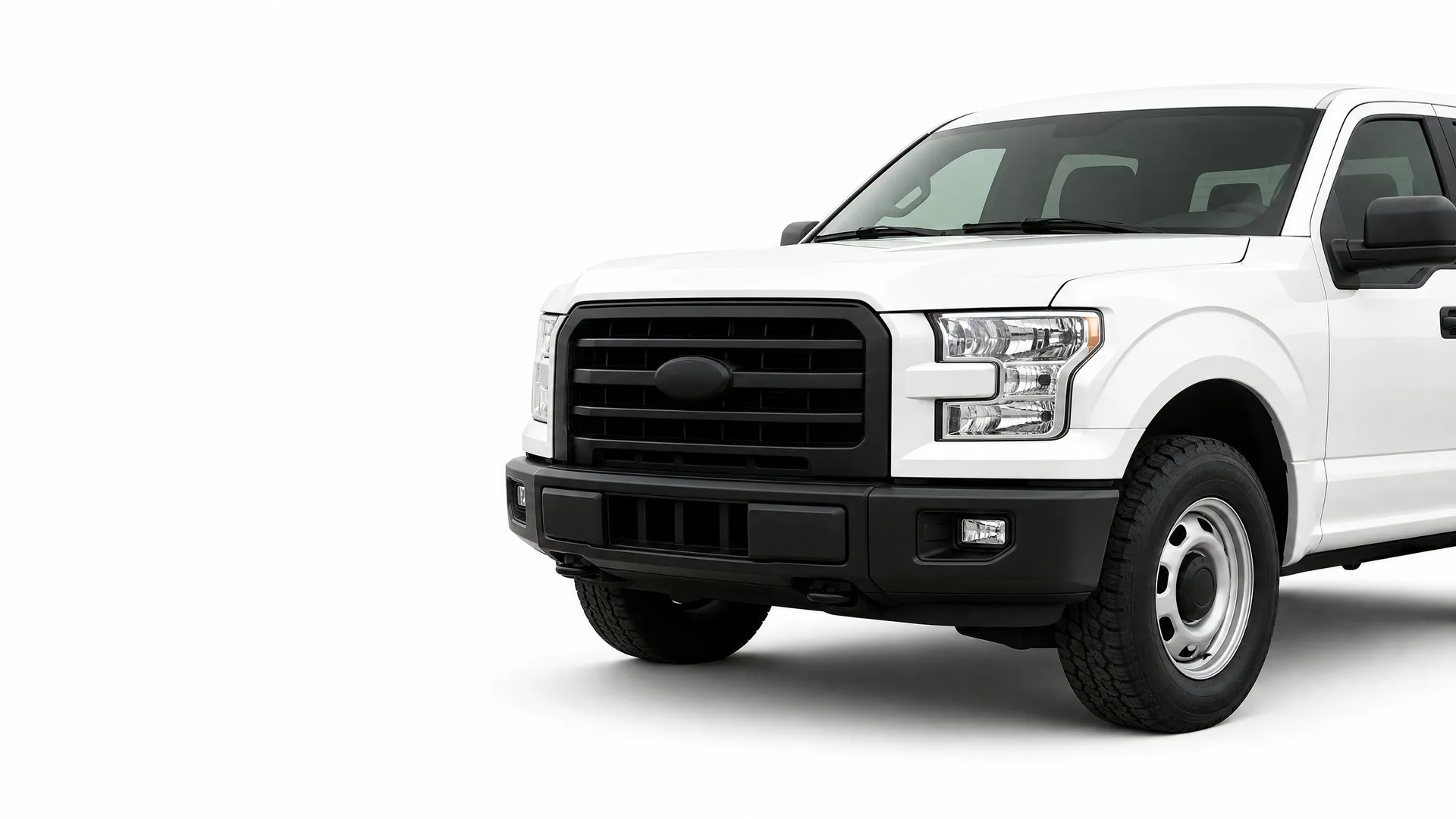
The real decision isn't which company to pick, it's how much financial risk you're willing to carry yourself.
Now that you know what each coverage protects, compare quotes using limits that match the risk you're willing to carry.

Reading your policy before you buy it
If you do
You'll know exactly what you're paying for, catch gaps before they matter, and ask better questions when comparing quotes. You'll pick limits on purpose instead of by default, and understand your deductible before a claim ever happens. Mistakes get caught early, when they're cheap to fix.
If you don't
You'll likely buy based on price alone, not knowing what you actually gave up for that number. A gap in coverage stays invisible until a claim exposes it, usually at the worst possible time. You may pay for things you didn't need, or skip things you did.
What's the difference between liability and full coverage insurance?
Liability covers damage and injury you cause to others, while full coverage adds protection for your own car through collision and comprehensive. Full coverage isn't one specific product, it's a general term for carrying liability plus coverage on your own vehicle. Lenders often require full coverage if you're financing a car, since they want their collateral protected. If you own your car outright, whether to add it depends on the car's value and whether you could afford to replace it yourself. Check your loan or lease terms first, since that can decide the answer for you.
Why did my quote change after I added my car's details?
Because the specific car affects both risk and repair cost, and insurers price those separately from your personal driving risk. A car that's expensive to repair, commonly stolen, or more powerful usually costs more to insure. Safety features can sometimes lower the price, since they reduce injury claims. If your quote changed a lot, check which detail triggered it, like the trim level or whether it's listed as the primary car you drive, since small differences in those answers can shift the price noticeably.
Does my credit or job affect my car insurance price?
In many places, yes, because insurers use factors beyond driving history to estimate risk, and some of those are financial. This varies significantly by state, since some restrict or ban using credit-based scoring entirely. Check whether your state allows it and ask any insurer directly how they weigh it. If it does apply to you, improving the underlying factor over time can lower your price later, even if it doesn't help today.