Does Liability Only Insurance Have a Deductible
No. Liability-only coverage has no deductible because it never pays to fix your own car.

When the other driver's bill lands on you
Say you're driving home from your new apartment and you rear-end someone at a stop sign. Their bumper is damaged and they need a rental car for a few days. Your liability coverage steps in and pays for their car repair and their rental, because that's what liability insurance is for. It covers the other person's losses when the accident is your fault.
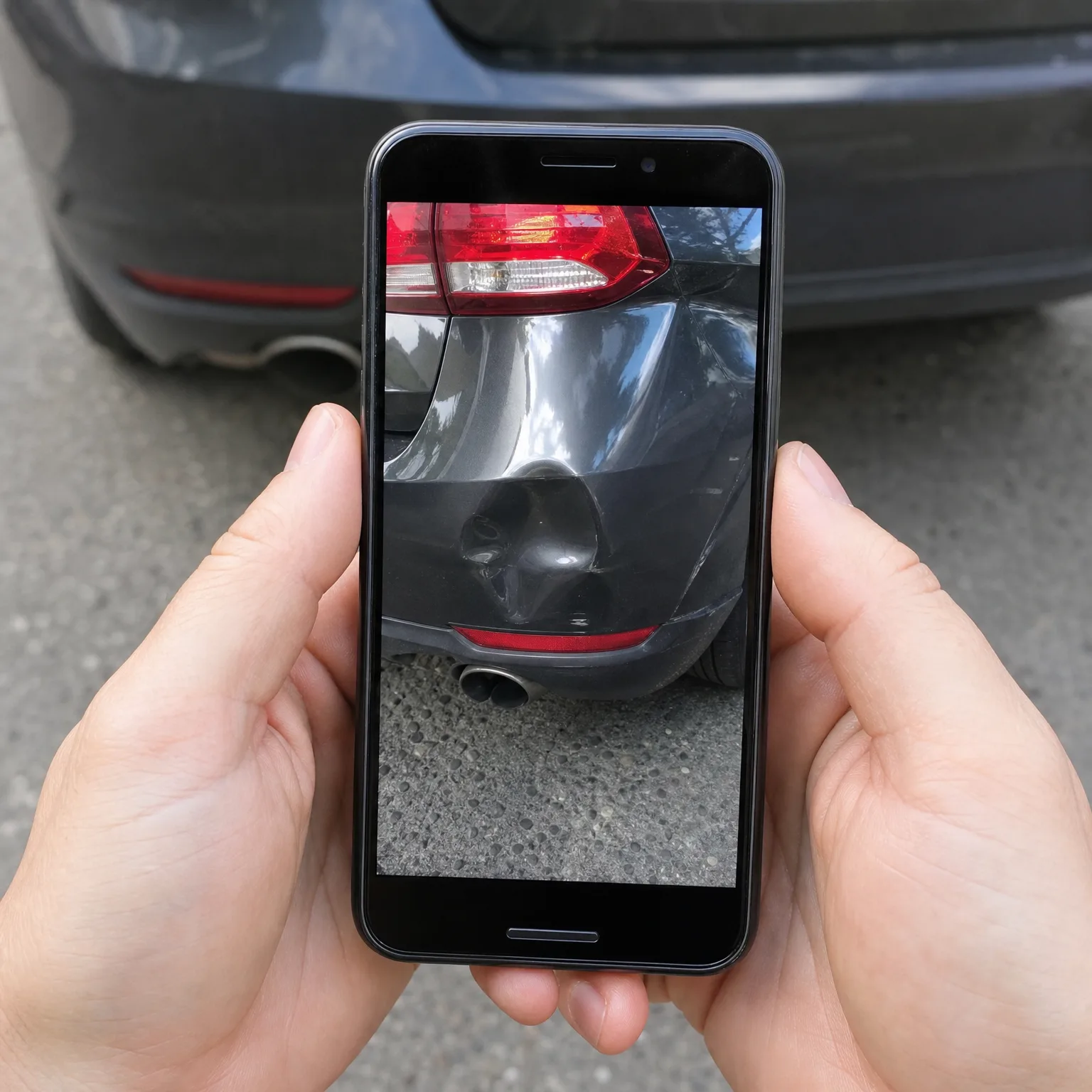
Now think about your own car. Your bumper is damaged too, but liability-only insurance pays nothing toward it. There's no deductible to meet because there's no payout coming your way at all. You'd pay for your own repairs out of pocket, or not repair the car, depending on what you can afford. That's the tradeoff you made when you chose liability-only to keep your monthly payment low.
What coverage would pay for my own car, and does that have a deductible?
Collision and comprehensive coverage pay for damage to your own car, and both of those do have a deductible. Collision covers crashes, comprehensive covers things like theft, weather, or hitting an animal. If you add either one, you'll choose a deductible amount, which is what you pay before your insurer pays the rest.
Liability-only means you skipped both of these coverages. That's usually why it costs less than a full policy. If your car is older or worth less, many people decide it's not worth paying extra for collision and comprehensive, since the payout might not be much more than the deductible itself. If your car is newer or financed, a lender will likely require you to carry collision and comprehensive, so liability-only may not even be an option for you.

Choosing liability-only versus adding coverage for your own car
If you do
You pay less every month, which helps on a tight budget. But if you cause an accident, your own car repairs come entirely from your pocket. If the damage is serious, you may be stuck driving a damaged car or paying for a rental while you save up for repairs.
If you don't
You pay more each month for collision and comprehensive coverage. In exchange, if you cause an accident or your car is stolen or damaged by weather, you pay only your deductible and your insurer covers the rest. Your car gets fixed faster and your savings stay untouched.
Now you know liability-only won't cover your own car, so compare quotes to see what full coverage would actually cost.

What to check before you pick liability-only
- Your state's minimum limits Every state sets a minimum amount of liability coverage you must carry. Check your state's requirement so you know the lowest limits you're legally allowed to buy.
- Your car's loan or lease If you're financing or leasing your car, the lender almost certainly requires collision and comprehensive coverage. Check your loan agreement before assuming liability-only is even available to you.
- Your car's actual worth If your car is older and worth little, full coverage may cost more than it would ever pay out. Look up what your car is worth to decide if liability-only makes sense.
- Your out-of-pocket ability Liability-only means any damage to your own car is your expense. Be honest about what you could afford to repair or replace right now.
- How limits vary by insurer Some insurers offer different liability limit options above the state minimum. Ask each insurer what choices they offer before you decide what to buy.
Liability-only isn't a smaller version of full coverage. It only pays for the other person, never for you.